
Charles, Art and Cinema
More than a century of artists, filmmakers and creators
Charles, Art and Cinema
The art world has been part of the house's DNA from its very beginning. Bronze is the material of sculpture before it is the material of decoration, and the house's atelier belongs to the same lineage as the great foundries that served Rodin, Bourdelle and Maillol. At Charles, every creation is conceived first as a sculpture, which the light then comes to reveal. The artists, the filmmakers, the creators and the decorators who have crossed its threshold have left their trace in the house's collection.
Chrystiane, the Sculptor's Hand
This sculptural conviction was carried, more than by anyone, by Chrystiane Charles. She arrived at the house straight out of the École Nationale Supérieure des Beaux-Arts: gold medallist in sculpture, she was formed alongside the figures who would become the great names of…
This sculptural conviction was carried, more than by anyone, by Chrystiane Charles. She arrived at the house straight out of the École Nationale Supérieure des Beaux-Arts: gold medallist in sculpture, she was formed alongside the figures who would become the great names of post-war French art. César was a friend, a regular presence in the atelier; his sculptures belonged to the same generation, partook of the same attention to the material, of the same conviction that bronze still had everything to say. She had also met Dalí, whose Paris orbit crossed naturally with that of the younger sculptors of the time. The world of the visual arts was everywhere around her, in the air she breathed. The Charles house of the seventies and eighties was therefore a house run by a sculptor who knew sculptors - and her creations reveal the hand of an artist as much as that of a designer.

Arman and the Liberté Lamp
In 1986, the dialogue between art and the atelier took the form of a piece imagined by Arman: already a central figure of the Nouveau Réalisme, internationally known for his Accumulations and his bronze violins, he designed for Charles the Liberté lamp. The collaboration is a…
In 1986, the dialogue between art and the atelier took the form of a piece imagined by Arman: already a central figure of the Nouveau Réalisme, internationally known for his Accumulations and his bronze violins, he designed for Charles the Liberté lamp. The collaboration is a strong one: for Arman, the chance to work with a foundry capable of holding the demands of his sculptural language in a luminous object; for Charles, the encounter with an artist of the first rank, working hand to hand with the discipline of the atelier.

A Light for Cinema
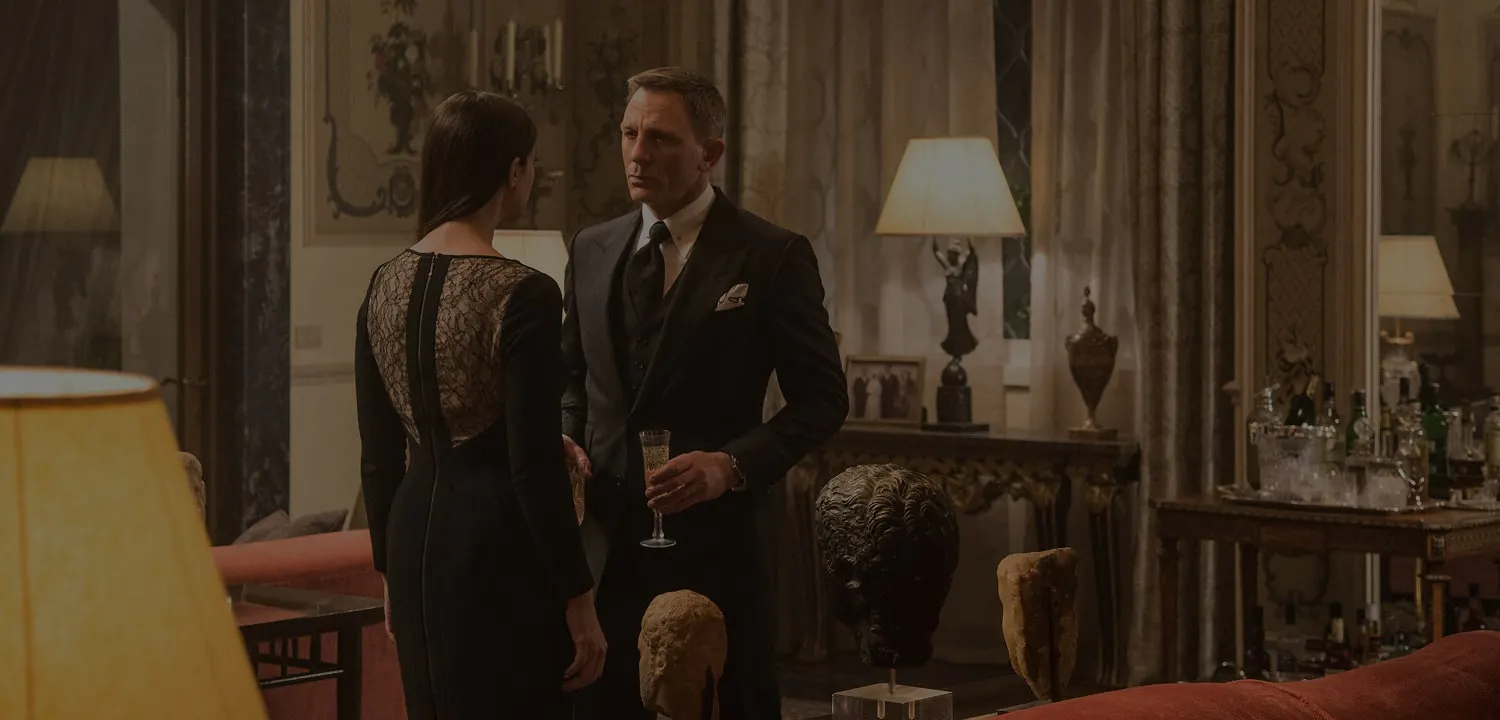
Cinema has a long relationship with the house. Set decorators have turned to Charles for decades: they recognise, in its creations, an object that captures the camera and inhabits the scene. The lamps appear in classic French cinema of the post-war years, in the world of Gabin…
Cinema has a long relationship with the house. Set decorators have turned to Charles for decades: they recognise, in its creations, an object that captures the camera and inhabits the scene. The lamps appear in classic French cinema of the post-war years, in the world of Gabin, in the great Parisian interiors filmed in black and white. They appear in some of the James Bond films, in [to be completed], and the relationship continues today: a Charles piece appears in the Bristol scene of Emily in Paris, in [to be completed].

The Creative Collaborations
Charles has regularly collaborated since its beginnings with artists, designers, architects and creative figures who have, each in their own way and at different moments, brought their sensibility to the creation of a piece or a series edited by the atelier: [to be completed]……
Charles has regularly collaborated since its beginnings with artists, designers, architects and creative figures who have, each in their own way and at different moments, brought their sensibility to the creation of a piece or a series edited by the atelier: [to be completed]… Each collaboration opens up a rich conversation that nourishes the atelier and anchors it in its century: Charles is, above all, a house that has always known how to renew itself, as its multiple and multiform collections bear witness. Without ever losing what constitutes the heart of its identity: a house where bronze, sculpture and light have been in dialogue for one hundred and eighteen years, to bring forth in those who receive it a singular emotion.