Christian Duc,
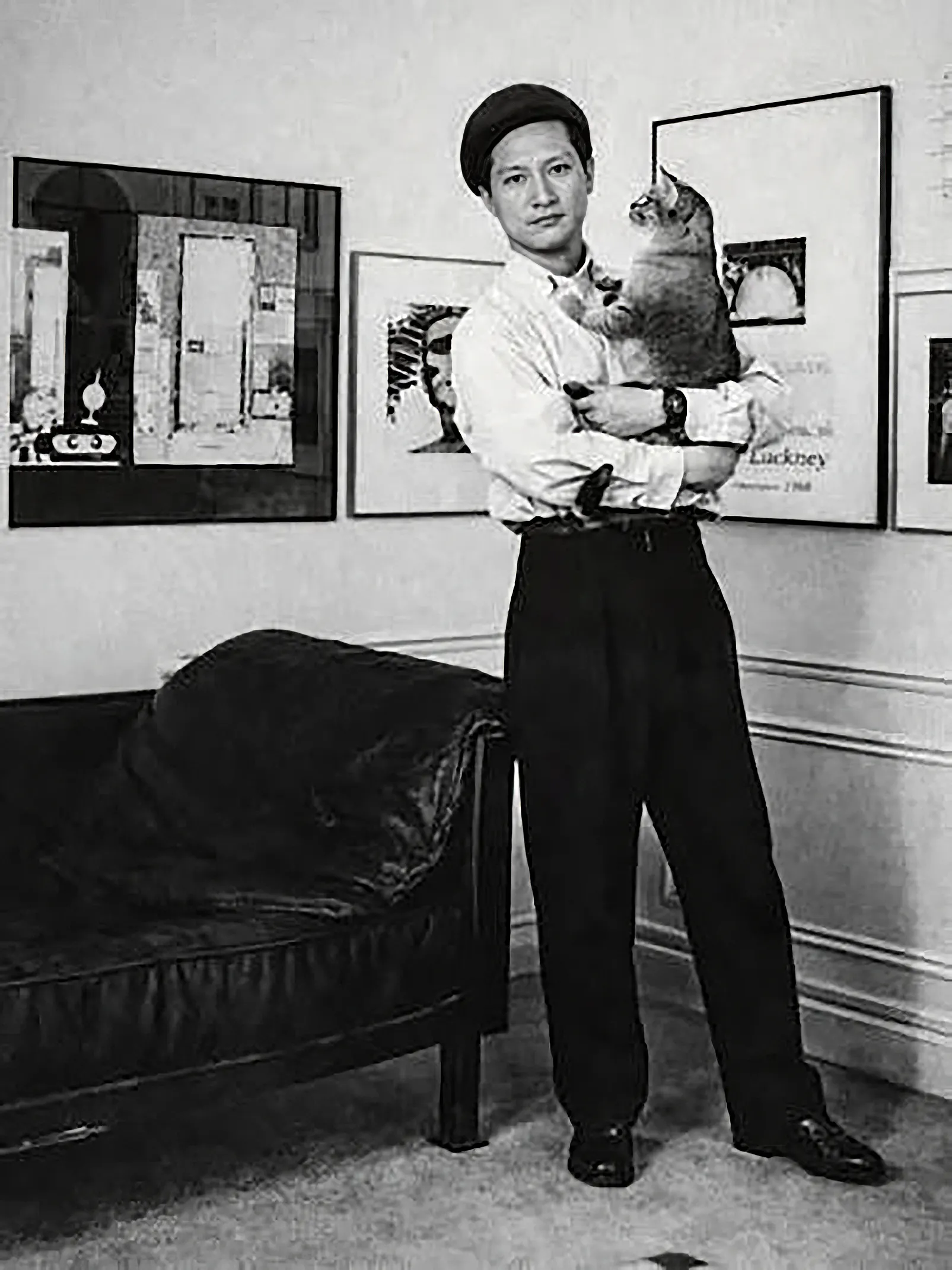
Christian Duc was born in Saigon in 1947 as Ngo Quang Duc. He left Vietnam as a child and grew up between the United States, the Drôme and Paris. After studying literature, he earned a master’s degree in English literature at Paris VIII University. Design came later, by way of a detour: in Berlin, he taught himself to work as a set designer for film and theatre; in Amsterdam, he took up illustration. These experiences led him towards objects and interior design.
In the late 1970s, he founded DCA in Paris and opened a home furnishings shop in the Halles district. His first designs emerged around the same time. Christian Duc described himself as an intellectual and a mystic who remained grounded in the concrete. This attention to the meaning of objects runs through his furniture, lighting and rugs.
In the 1980s, his work was shown in New York, Japan and at the Villa Medici in Rome. In 1989, he received the Grand Prix de la critique du meuble contemporain, followed in 1990 by the Grand Prix de la Création de la Ville de Paris. His work entered the collections of the Cooper Hewitt, the Musée des Arts Décoratifs in Paris and the Museum of Decorative Arts in Oslo.
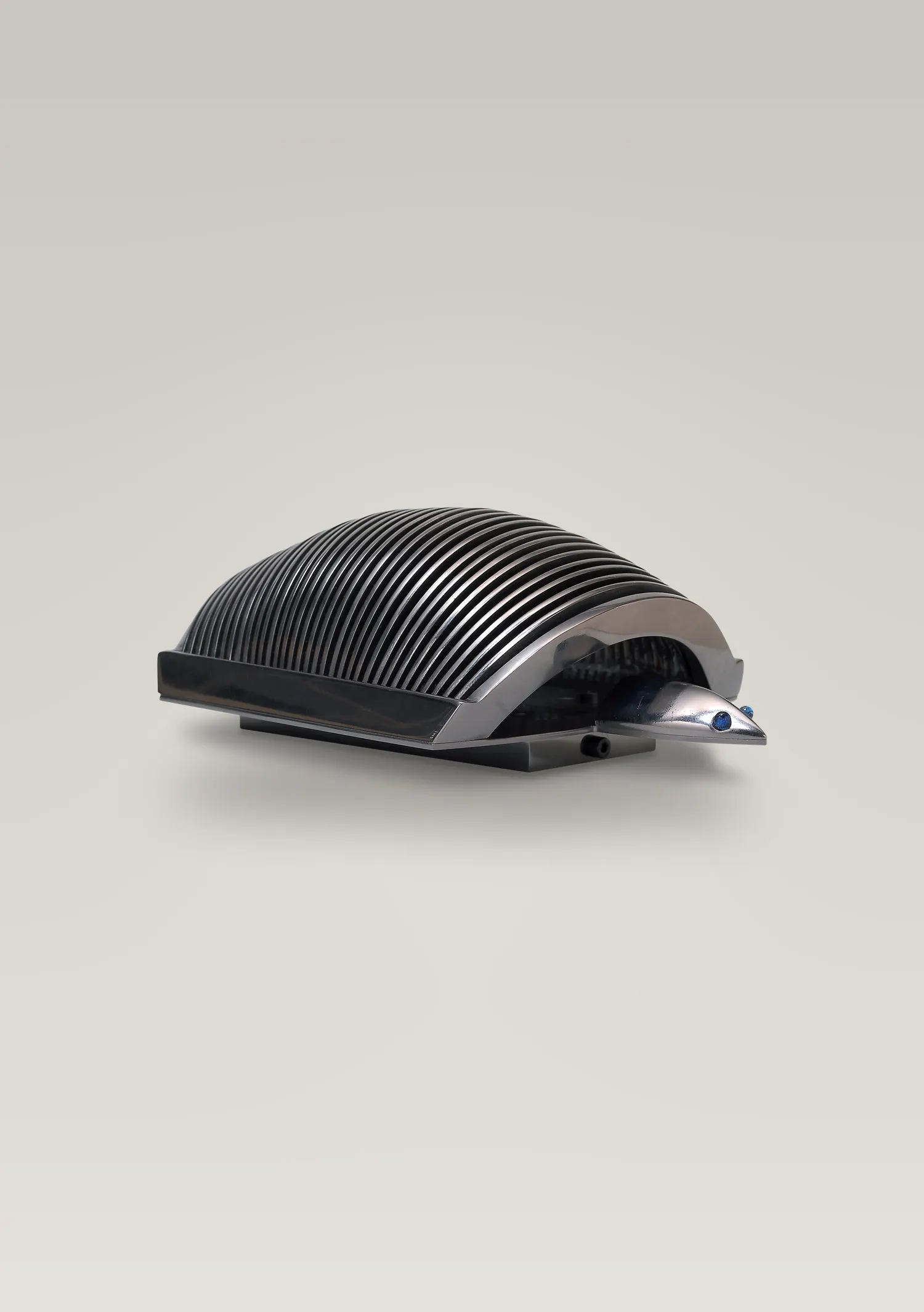
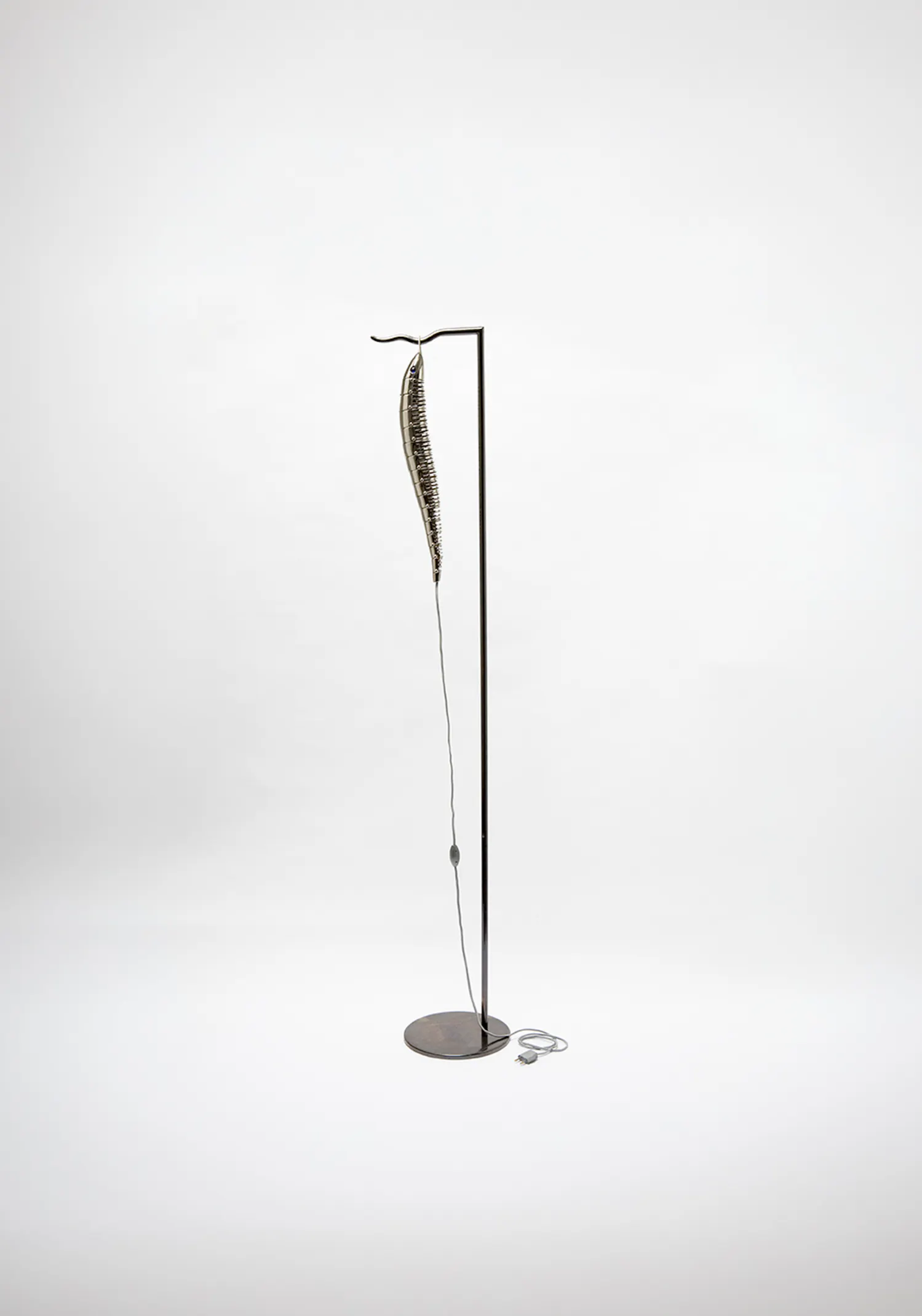
For the maison Charles, Christian Duc designed the Tortue and Ver Luisant lights. In the latter, an animal form becomes an openwork bronze sculpture, designed to stand on a base or be mounted as a floor lamp. Its making requires seventeen moulds, each adjusted by hand. Presented at the Centre Pompidou, Ver Luisant received the Grand Prix de la Création de Paris in 1991.