Jean Charles,
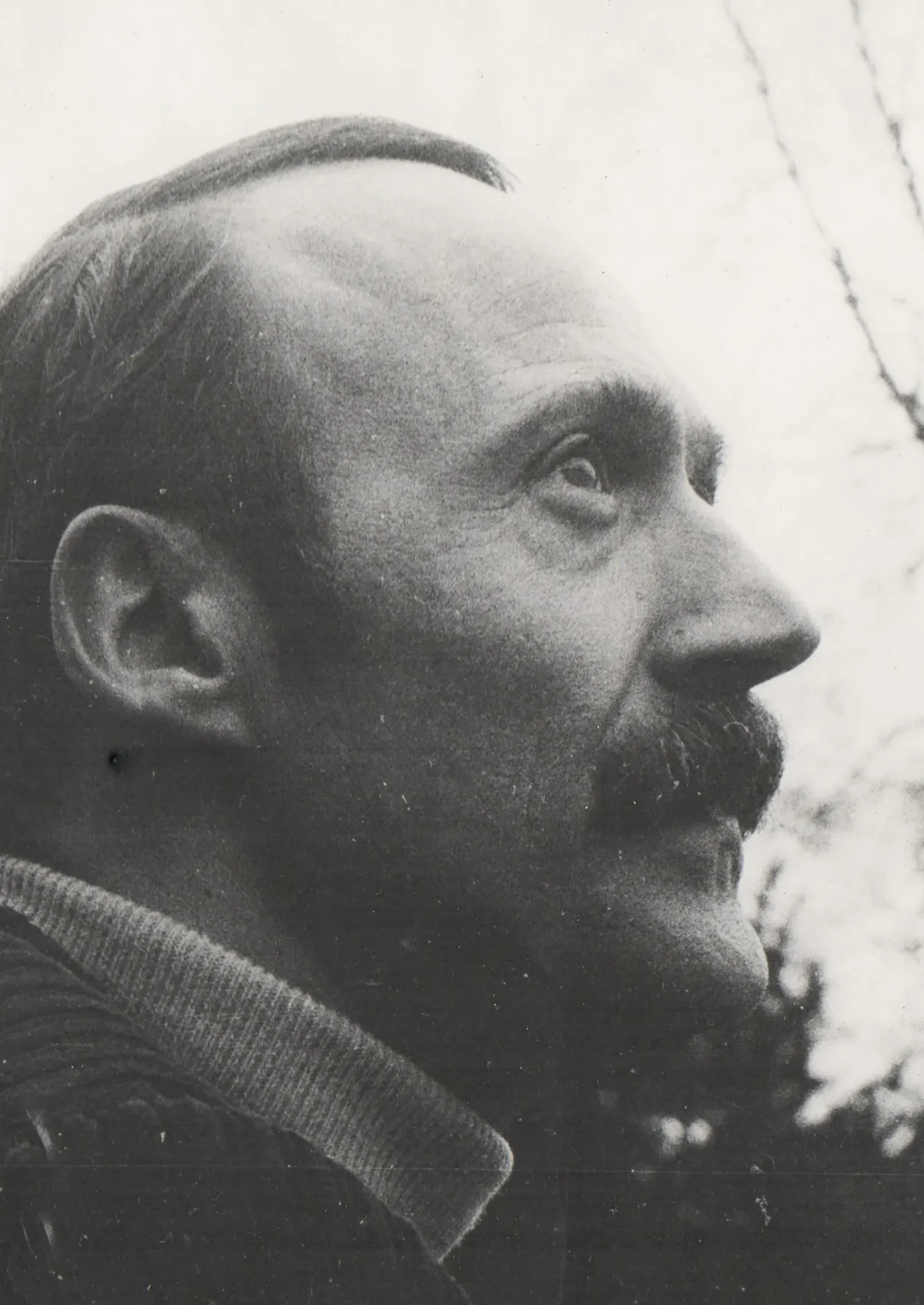
Jean Charles was born on 4 January 1928. He was the grandson of Ernest Charles, a bronze worker who founded the maison Charles in 1908, and the younger son of Émile Charles, also a bronze worker, who had been running it since the early 1920s. His brother Jacques was two years older. At fourteen, in 1942, Jean entered the École Boulle, where he spent four years studying wood sculpture, furniture construction, interior furnishing and decoration. He graduated top of his class in 1946. He had a sure hand and a discerning eye, and knew he would one day join the family business.
In the autumn of 1946, he enrolled at the École nationale supérieure des Beaux-Arts, joining the sculpture studios of Marcel Gimond and Alfred Janniot, established the previous year in the wake of the Liberation. He moved from cabinetmaking to sculpture, from working in wood to modelling. There he met Chrystiane Sigmund, a young sculptor who had trained in the same studios and with Georges Saupique, and who would graduate with the school’s gold medal.
Jean also travelled. From 1947 to 1948, he spent ten months in Sweden, Norway and Finland, at a time when Scandinavian design was becoming a model across Europe. He visited the Nordiska Kompaniet workshops in Stockholm and those of Artek, the design house founded by Alvar and Aino Aalto. He studied the techniques of bent and moulded wood, as well as the organisation of large-scale production, and spent two months working at Ilmari Tapiovaara’s furniture factory in Finland. Back in Paris at the end of 1948, he spent two months with Marcel Gascoin, who was then designing mass-produced furniture for post-war reconstruction, before completing his military service in Épinal. He married Chrystiane in December 1949. From 1949 to 1952, he worked in general and precision engineering at his father-in-law’s metalworking factories. By the age of twenty-four, he had gained experience in cabinetmaking, sculpture, the furniture industry and metalworking: a complete education for a maker and publisher of bronze editions.
Their children, Marie-Joëlle and Laurent, were born in the early 1950s. As young Zazous, Jean and Chrystiane were deeply in love. They shared a passion for jazz and went to the Caveau de la Huchette. At Christmas, they built life-size sets for their children. They welcomed their architect, painter and sculptor friends into their home, among them César and Dalí.
In 1959, Jean joined the maison Charles alongside his brother Jacques, who had graduated in interior architecture from the École des Arts Appliqués. Chrystiane joined the maison the same year. Their arrival marked the beginning of the “Charles style”: the moment when the maison moved beyond reproducing antique lighting to issuing signed designs. In 1960, the family took over Maison Fargette and moved to rue du Parc-Royal in the Marais.
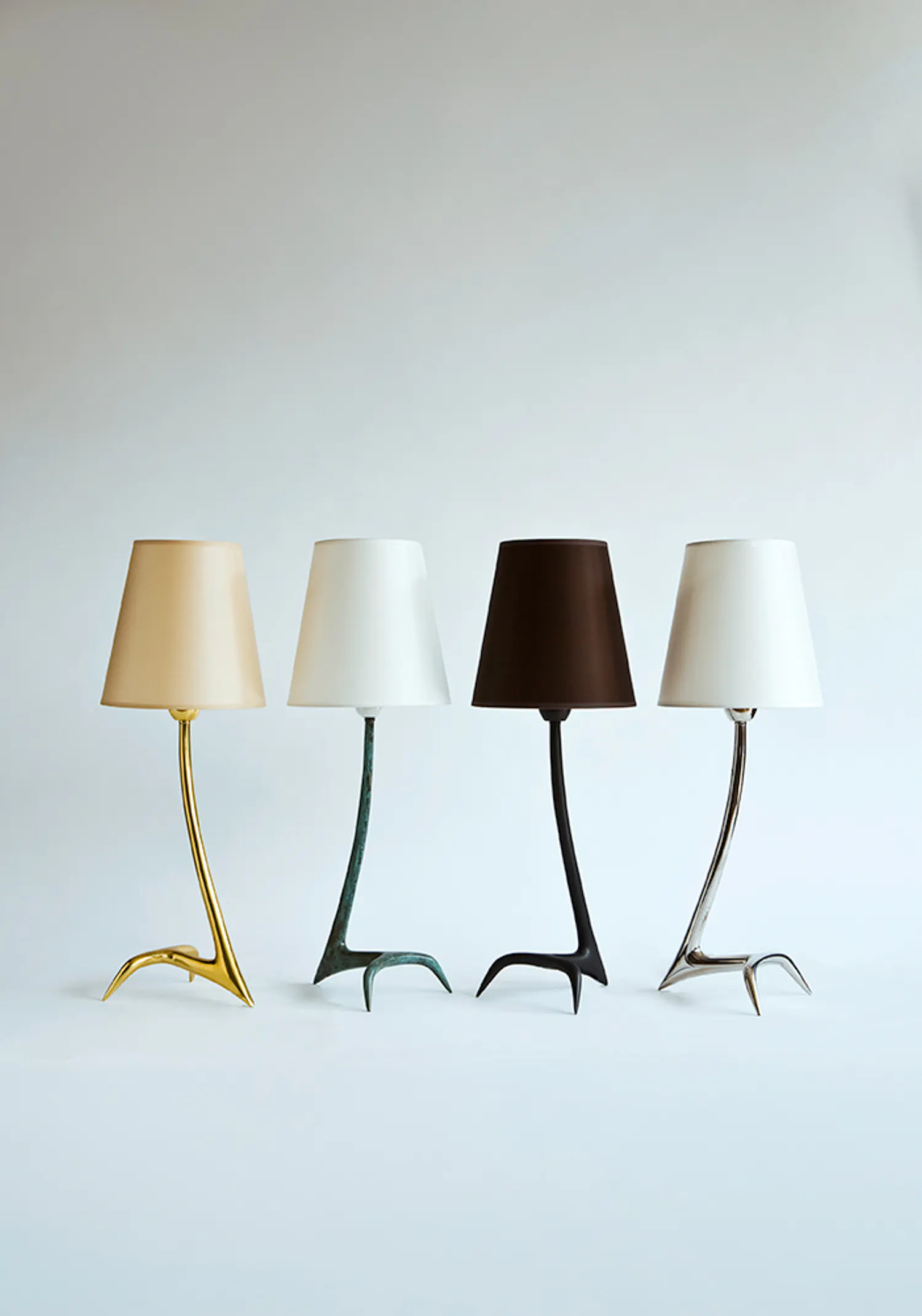
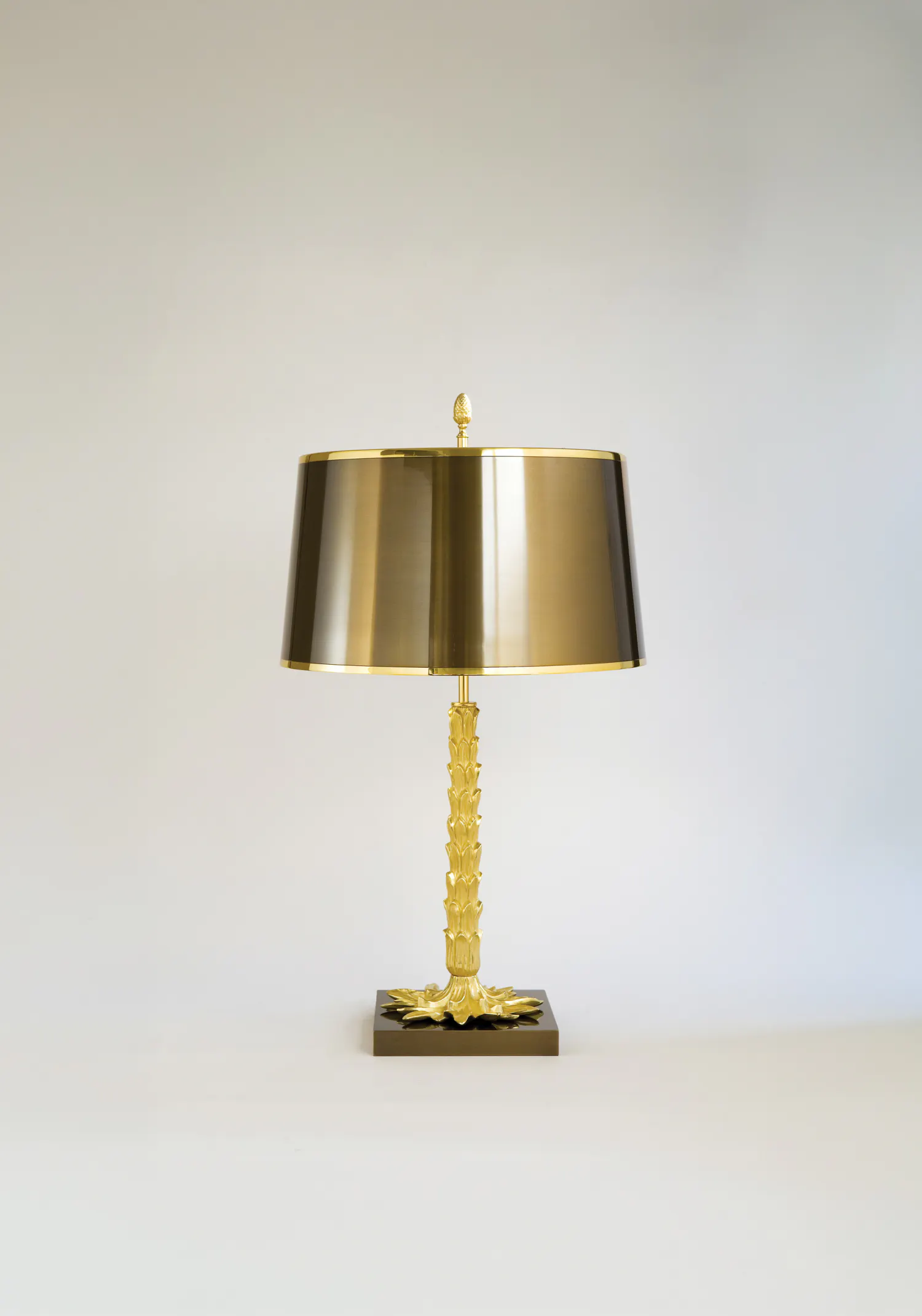
Jean designed several pieces that remain central to the maison’s visual canon: Ananas, la Bateau, Lotus and Épi de maïs. Natural forms, interpreted in brass or chased bronze, became the design language through which the name Charles would establish itself. His Stockholm lamp, designed in the 1950s, takes its name from the city he had visited on his study trip a decade earlier. It remained in production for decades and, in 1992, forty years after it was designed, received a posthumous Special Mention in the Gold Lamp for Creation awards at the International Lighting Fair.
In 1964, Jean fell seriously ill with multiple sclerosis and gradually lost the use of his limbs. Chrystiane sculpted for him; in the workshop, she became his hands. He died in February 1971, aged forty-three. Jacques died in November 1972, followed by Émile in November 1973: three figures central to the maison, lost within less than three years. Chrystiane then assumed the presidency and artistic direction, carrying forward the memory of what they had begun together.