
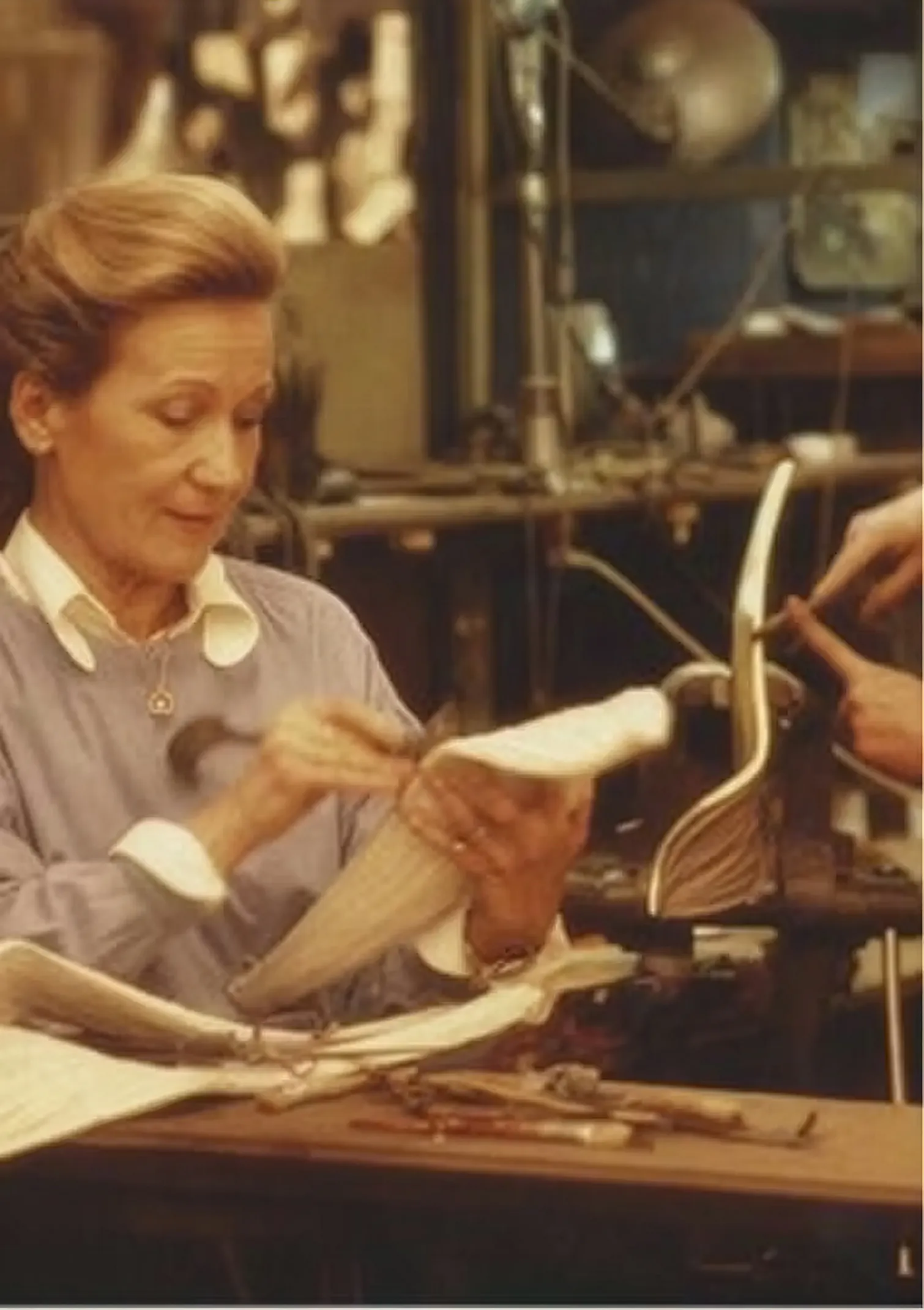
Chrystiane Charles,
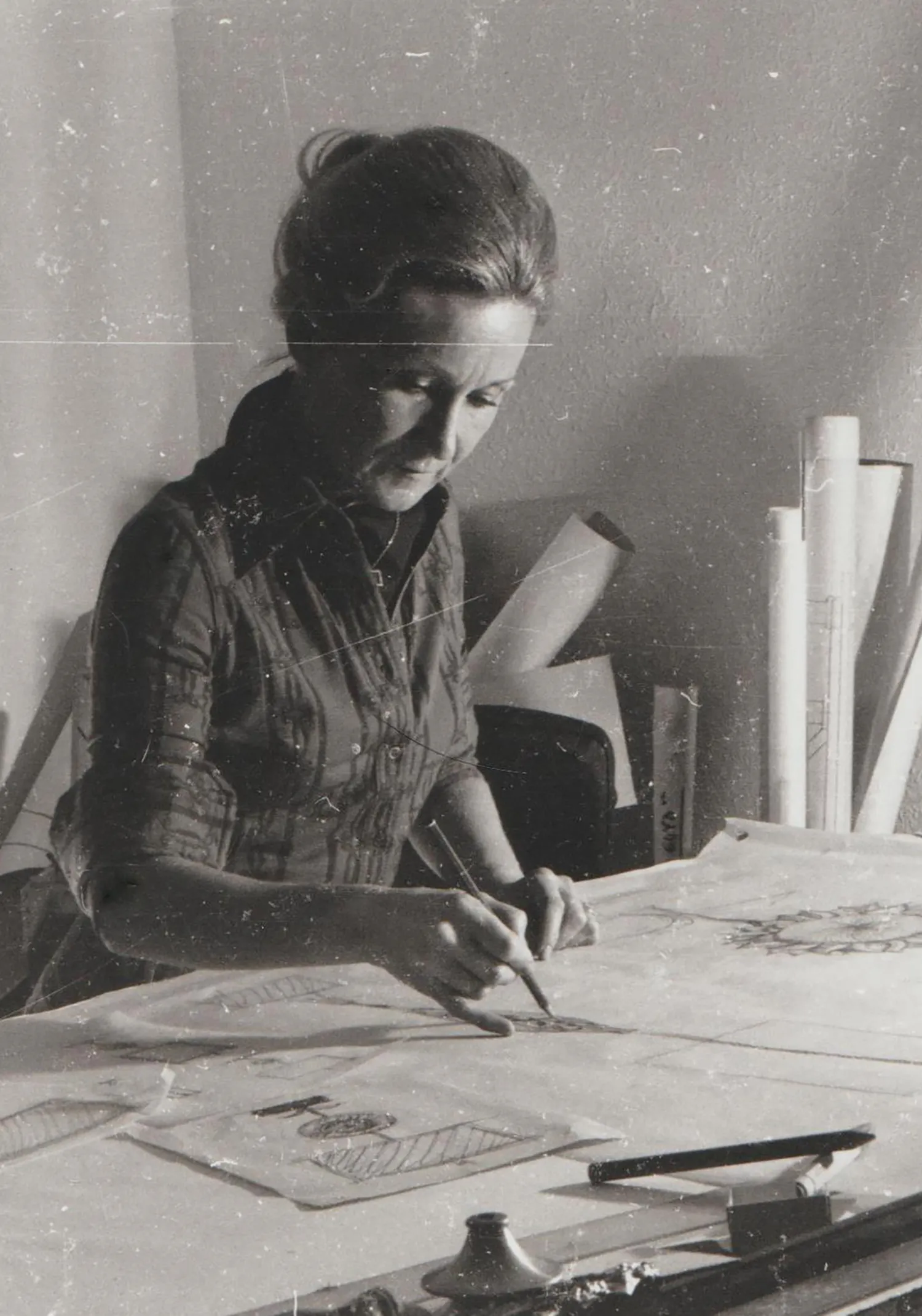
Was born Chrystiane Sigmund in Pantin on 2 August 1927.
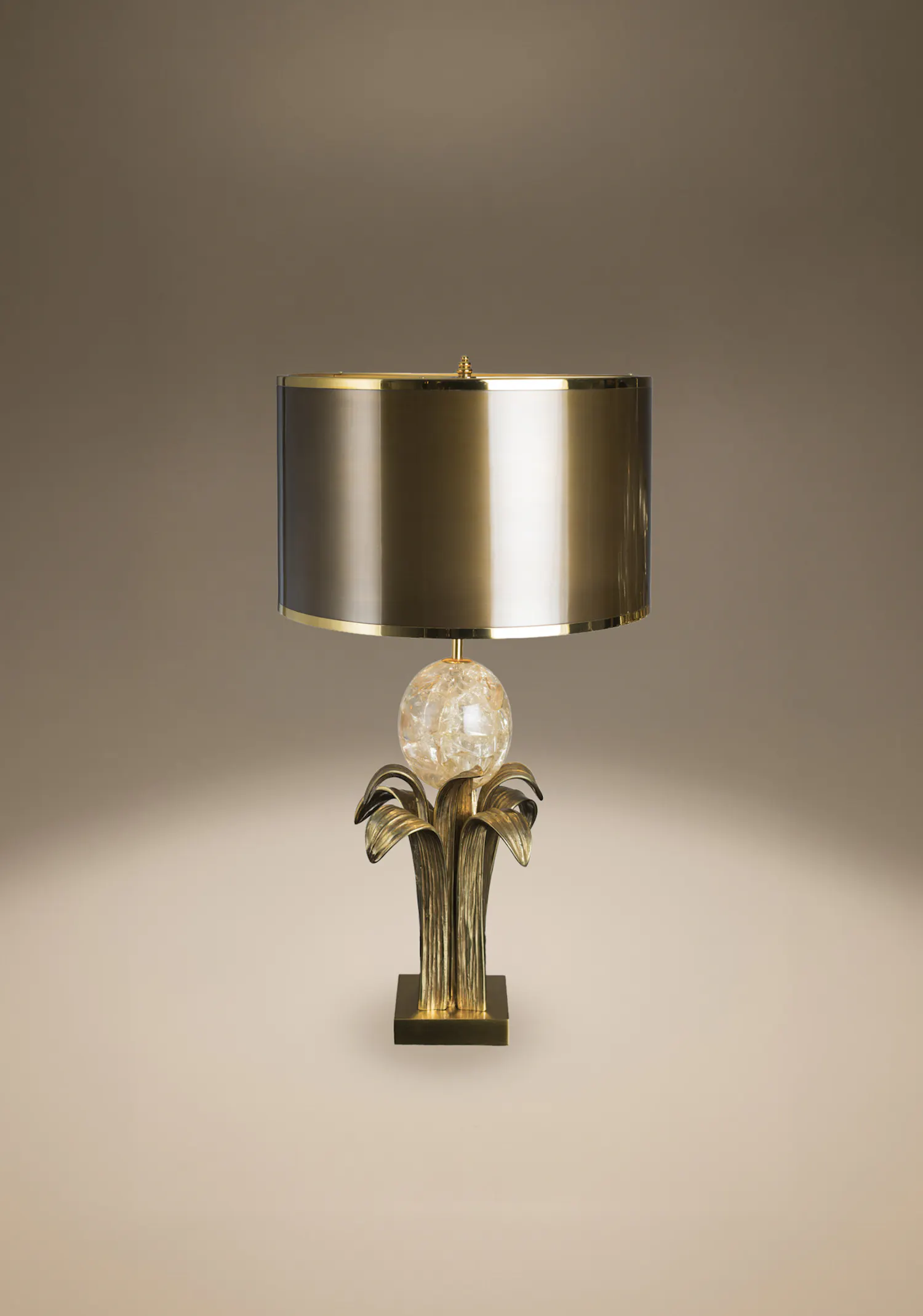
Trained as a sculptor at the Beaux-Arts, she brought a sculptor’s eye to the maison Charles. Inspired by close observation of nature and by her travels, she left more than three hundred designs in its catalogue.
A woman in the sculpture studios
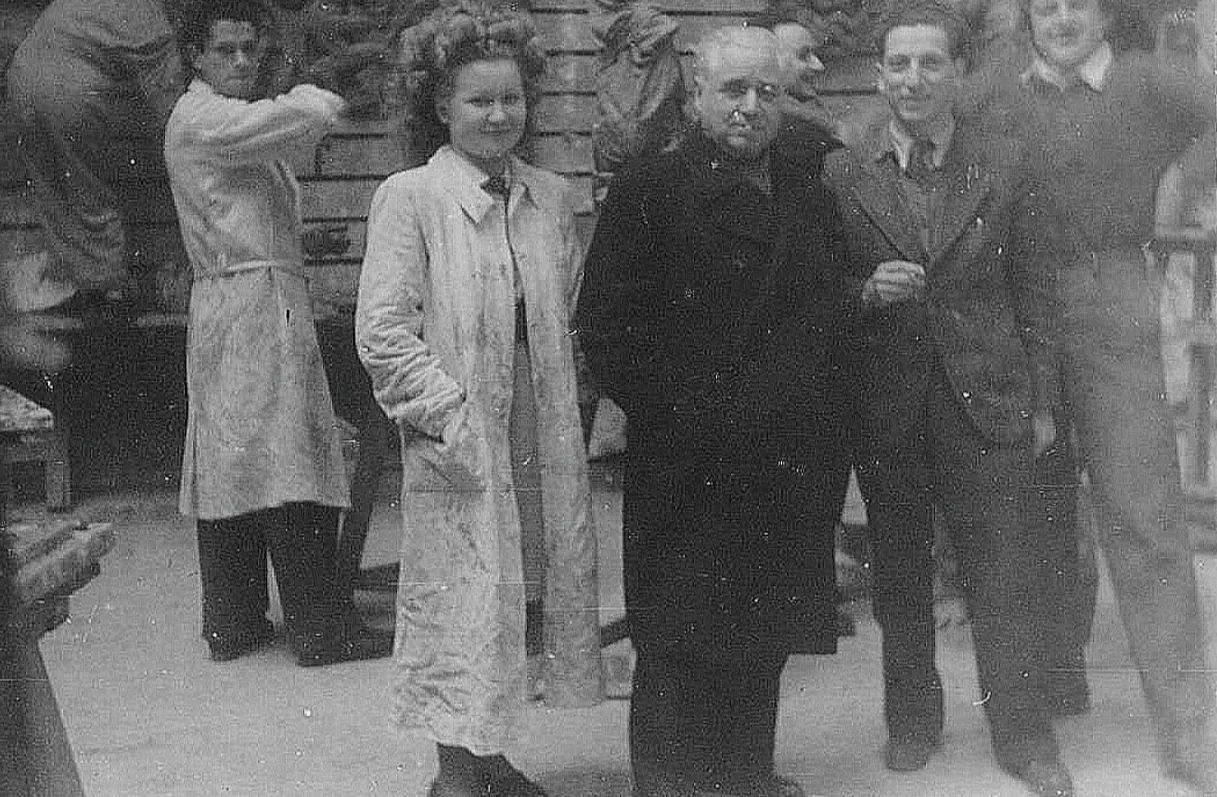
Chrystiane belonged to the first generation of women to train in the coeducational sculpture studios at the École des Beaux-Arts de Paris. Women had been admitted to the school since 1897, but its sculpture studios did not become mixed until 1934.
Her parents opposed her pursuing an artistic education. Defying them, she took the family record book and used it to enrol at the school in 1947, just after the war. She graduated with a gold medal in sculpture.
Learning to think in volume
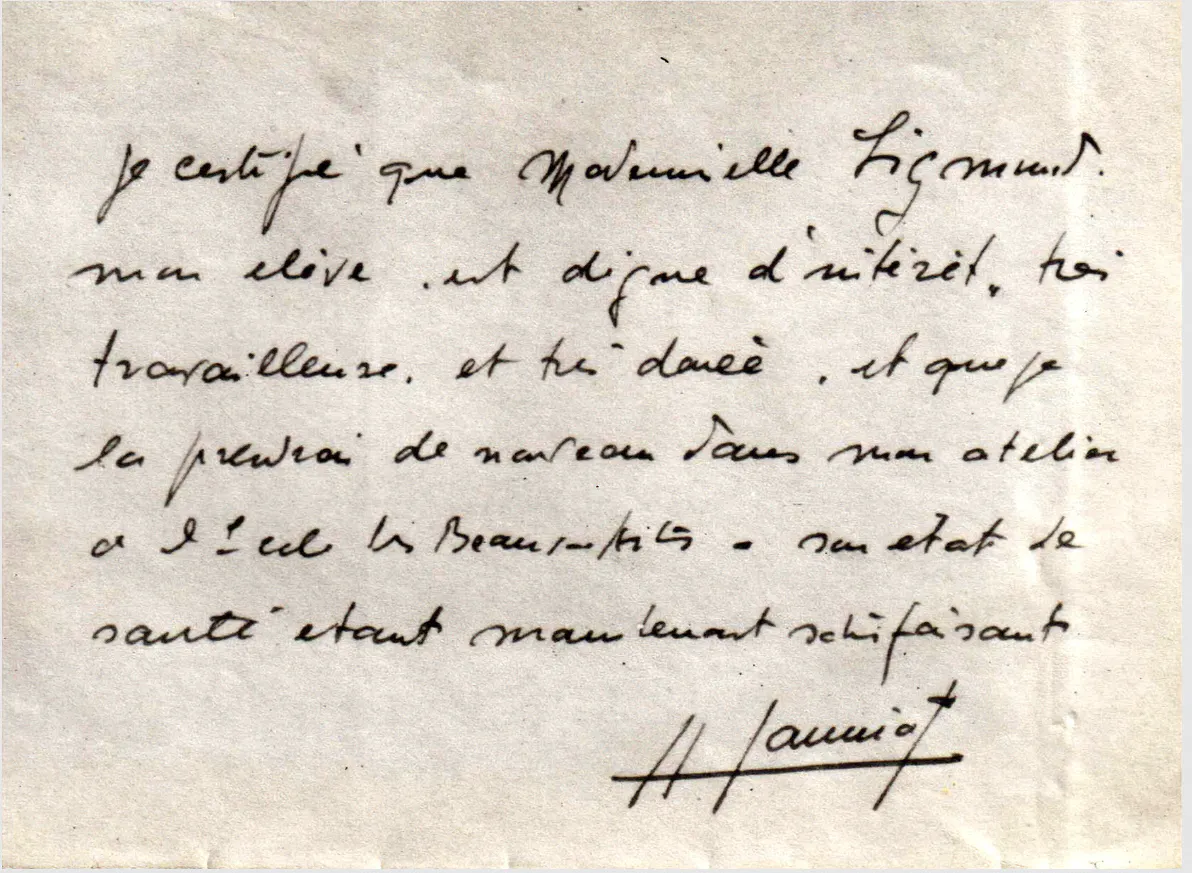
She studied with Marcel Gimond, a portrait sculptor in the tradition of Maillol; Alfred Janniot, who created the bas-reliefs for the Palais de la Porte Dorée and the Palais de Tokyo; and Georges Saupique, a sculptor of monumental works. From them, she learned how to model, how to read volume on a large scale and how to work with plaster—skills she would later bring to the design of objects. She studied alongside the artist César, who became a close friend.
A love story at art school
It was at the Beaux-Arts that she met Jean Charles, grandson of the maison’s founder. In 1946, he graduated top of his class at the École Boulle, where he had studied wood sculpture and furniture-making. The following year, he joined the sculpture studios of Gimond and Janniot, where he and Chrystiane trained side by side. They married in 1949. Their children, Marie-Joëlle, born in 1951, and Laurent, born in 1953, grew up in a home where creativity was part of everyday life.
In their youth, Jean and Chrystiane were part of the Zazou scene. They shared a love of jazz and went to the Caveau de la Huchette. At Christmas, they built life-size settings for their children. Their home welcomed architect, painter and sculptor friends, including César and Dalí. Their daughter remembers Chrystiane as outgoing and witty, with a sense of composition that extended even to the arrangement of the home.
In the workshop, alongside Jean
In 1959, Chrystiane joined the maison Charles, the same year Jean and his brother Jacques joined their father, Émile-Albert. In 1964, Jean was struck by a rapidly progressing form of multiple sclerosis and quickly lost the use of his hands. Chrystiane sculpted for him; in the workshop, she became his hands.
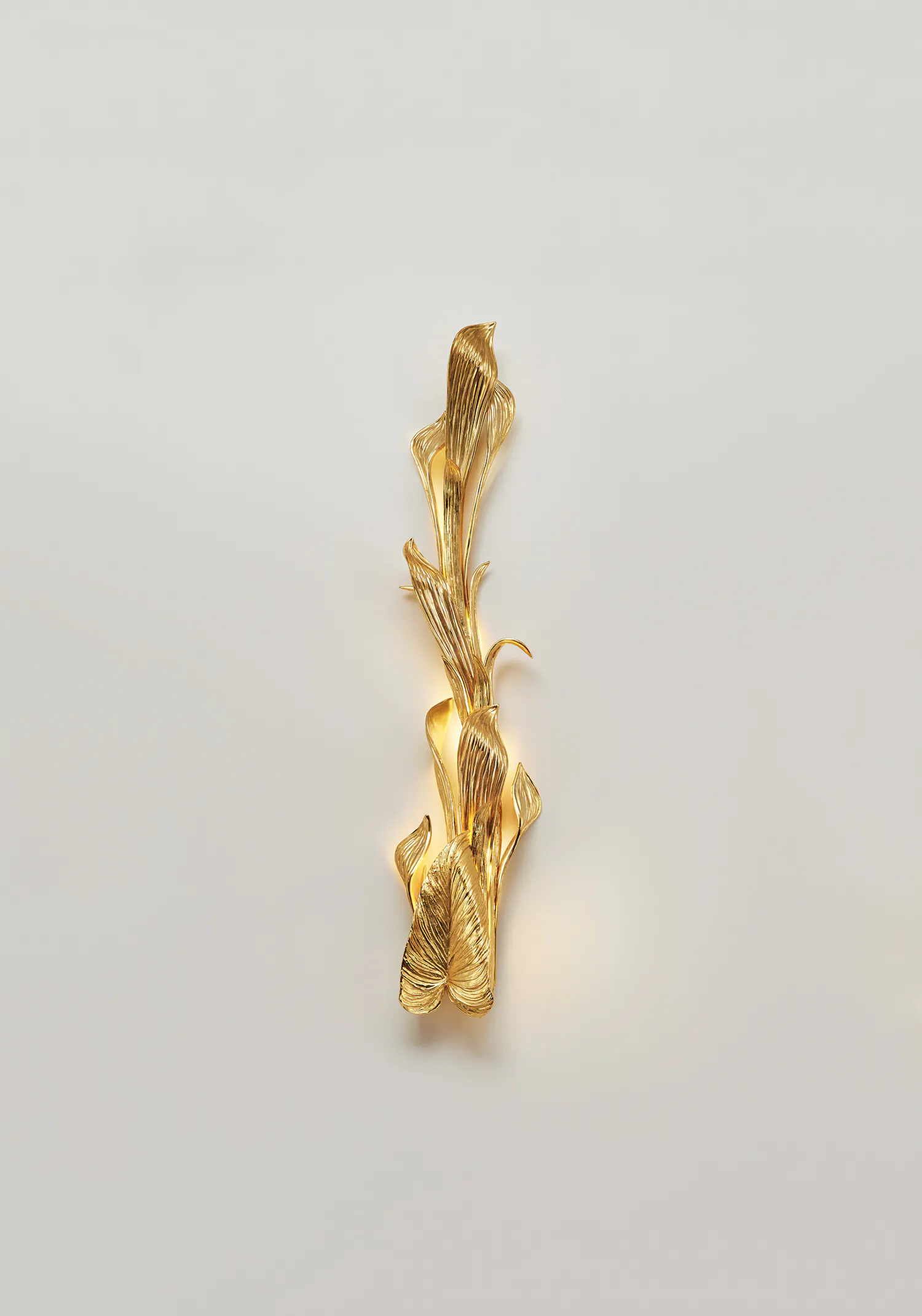
After his death in 1971, she took over as president and artistic director of the maison. The following year, she presented the collection Charles sculpts light: signed and numbered sculptural lamps, contemporary in expression and inspired by nature. Amaryllis, Alizée, Orchidée and Tulipes were among them. By numbering these lights, she brought the logic of bronze editions to the world of lighting and affirmed the individual standing of each piece.
Nature as a repertoire
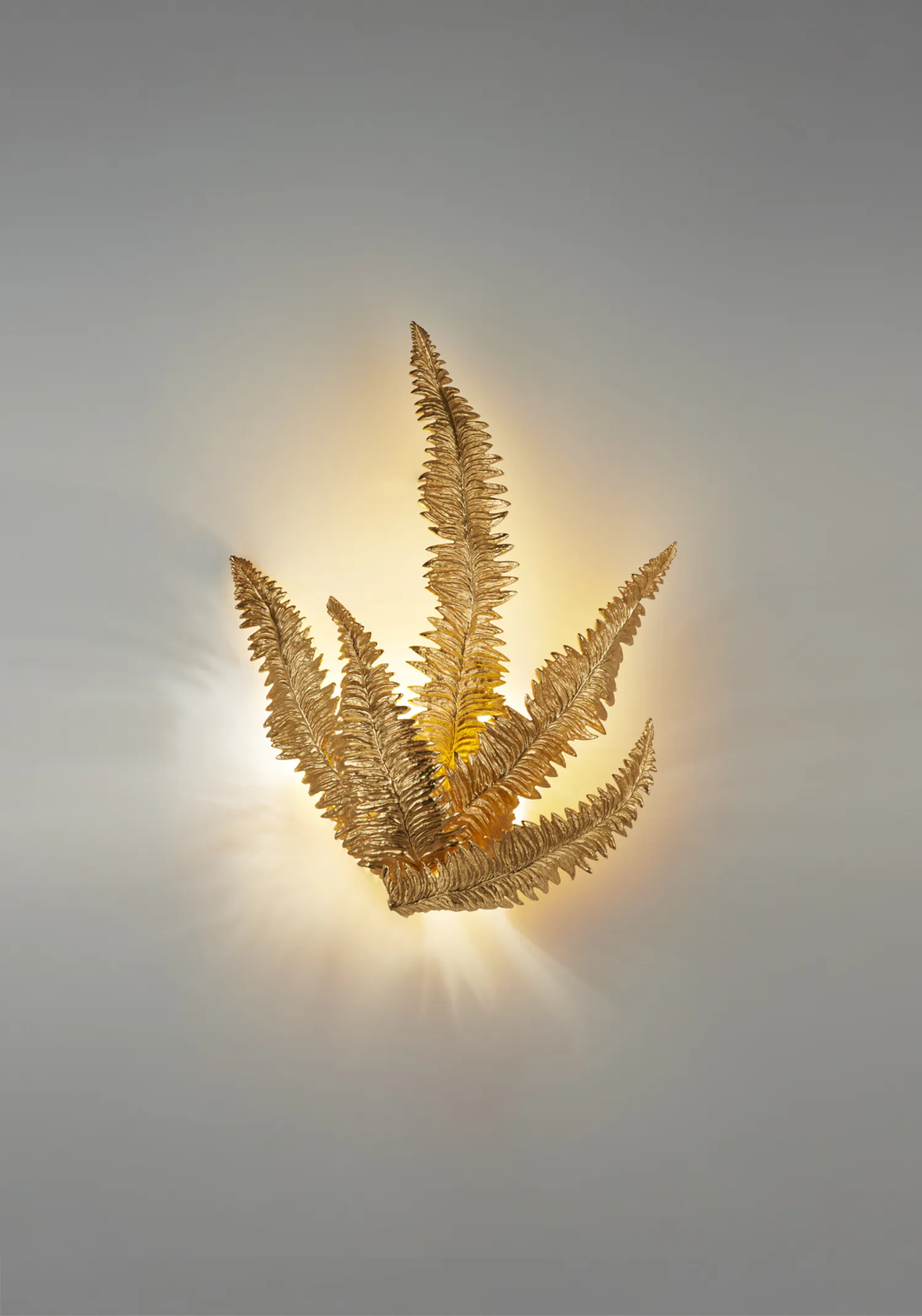
Her designs grew out of close observation. Poppy seeds, water-lily leaves, papyrus, coral, bamboo, irises, ferns, sunflowers: she studied each form before modelling it. She travelled widely—to Japan, Canada, the United States, Mexico and Guadeloupe—and returned with dozens of flowers, leaves, shells and fragments. After her death, her daughter would find them pressed between the pages of her books.
Small in stature but strong-willed, Chrystiane drew ceaselessly on whatever came to hand and worked in a chaser’s smock far too large for her. With the maison’s artisans, she guided each piece from drawing to plaster model and then to bronze, working at every scale. She created more than three hundred designs.
The sculptural lamp: her signature
The awards won by Feuille d’eau in 1978 and Orchidée in 1981 recognised the path Chrystiane had opened: making the lamp a sculpture, with the form itself carrying the light.
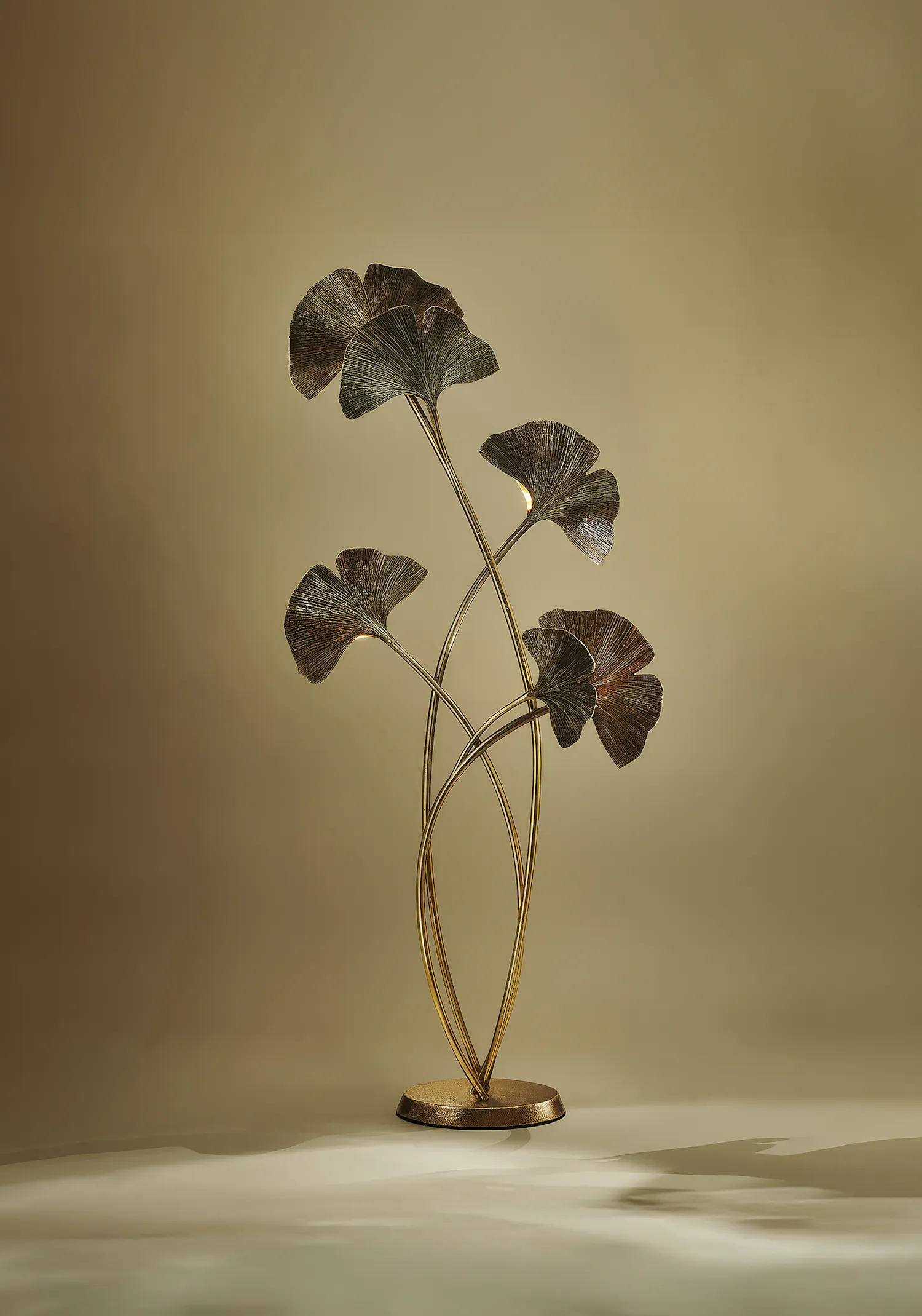
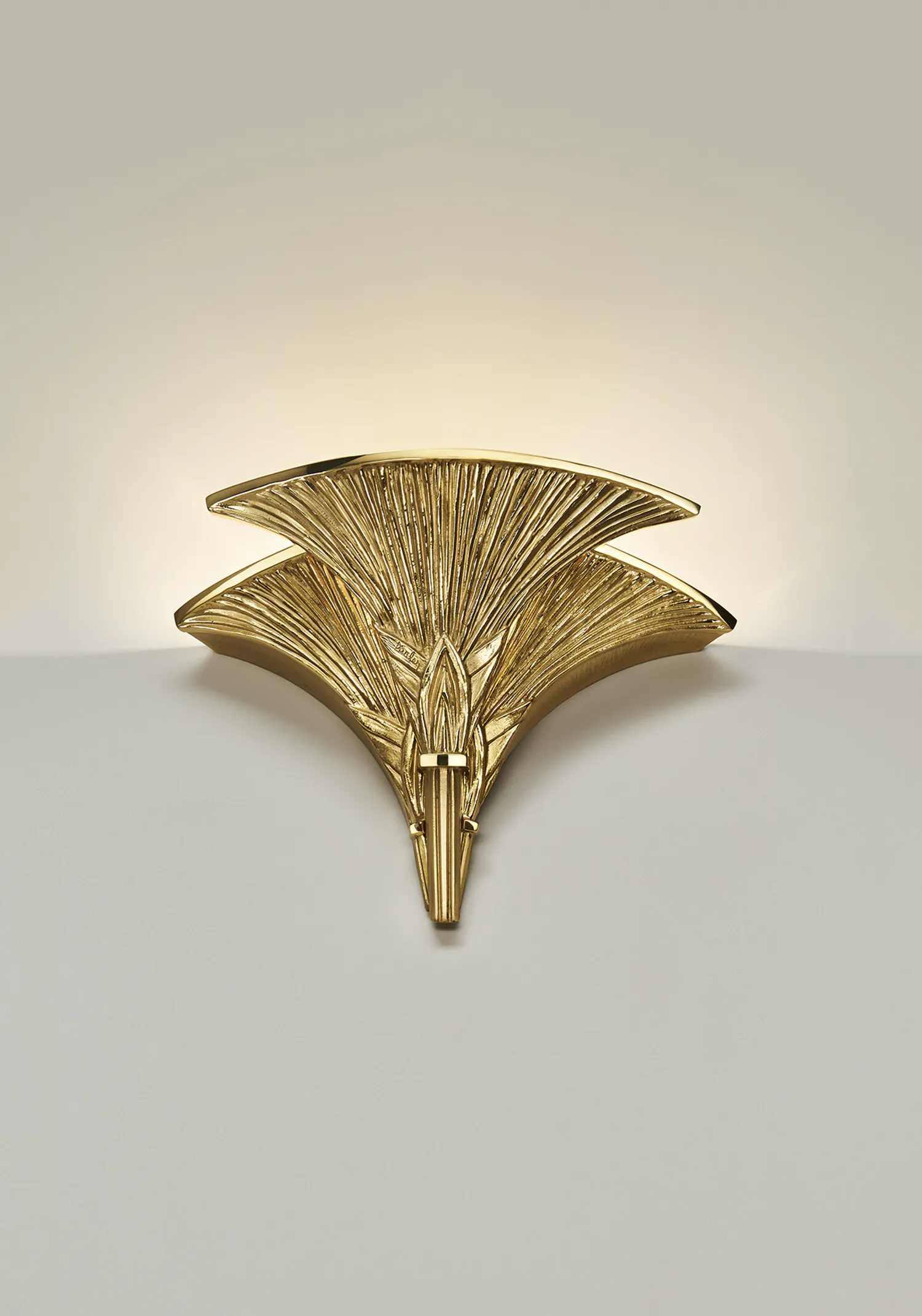
In 1982, she handed the presidency to her son Laurent while continuing to create. In 1990, she designed Ginkgo, whose chiselled leaf would become the maison’s botanical emblem.
Chrystiane was made a Knight of the French National Order of Merit in 1997. She died in 2013. Her designs remain among the most sought-after in the catalogue, and the sculptural lamp she developed remains central to the Charles repertoire.