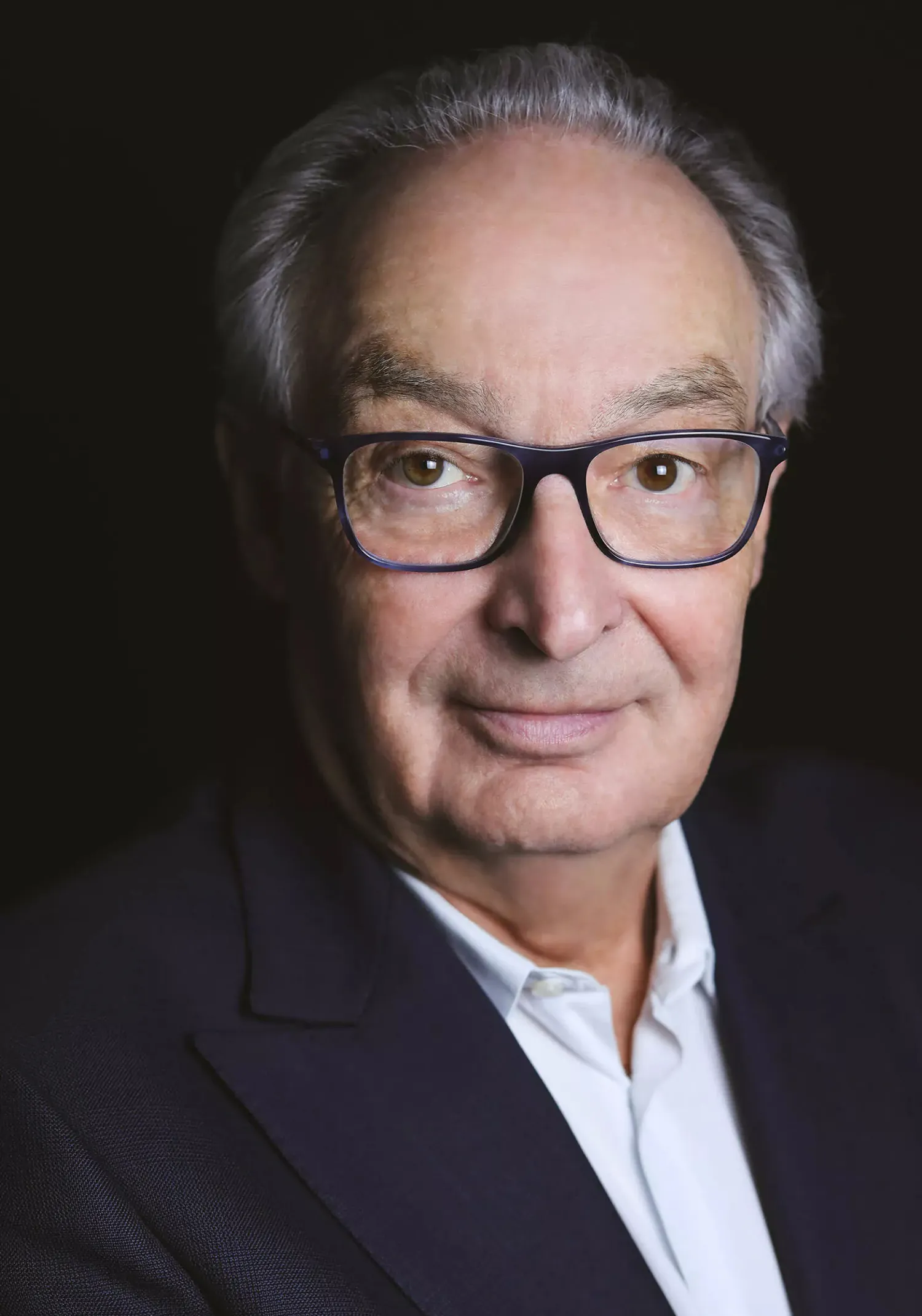
Philippe Parent,
Philippe Parent was born in 1950. His grandmother, to whom he was deeply attached, passed on her love of music. When he was fifteen, she took him to the Salle Favart to see Puccini’s La Tosca, with Tito Gobbi. The experience stayed with him, as did a taste for music that was both wide-ranging and exacting: from the works of Benjamin Britten to Pink Floyd, with Broadway musicals in between, a subject he would later write about in a column. Rhythm, composition and the balance of forms would also inform his approach to interior architecture and design.
After graduating from the École Boulle in 1969, he went to Switzerland to work the following year. He stayed for six years, becoming a stylist for the boutiques at the Casino de Montreux. Back in Paris, he became a regular visitor to the Saint-Ouen flea market and developed an interest in ironwork. He worked in particular for Audrey Hepburn and Fiona von Thyssen, then founded his interior architecture practice in 1978.
In the late 1970s, at a lighting fair in Villepinte, he met Chrystiane and Laurent Charles. At a reception, Chrystiane asked him to work with Laurent, an architect and highly disciplined draughtsman, to bring greater fluidity to his compositions. They began meeting each month to discuss Laurent’s sketches, with Philippe Parent offering his observations. The following year, they presented their work on a shared stand. This meeting marked the beginning of a lasting collaboration and a close friendship. In the early 1980s, the maison Charles also established itself as an innovative publisher, bringing designers’ ideas into dialogue with the expertise of its workshops.
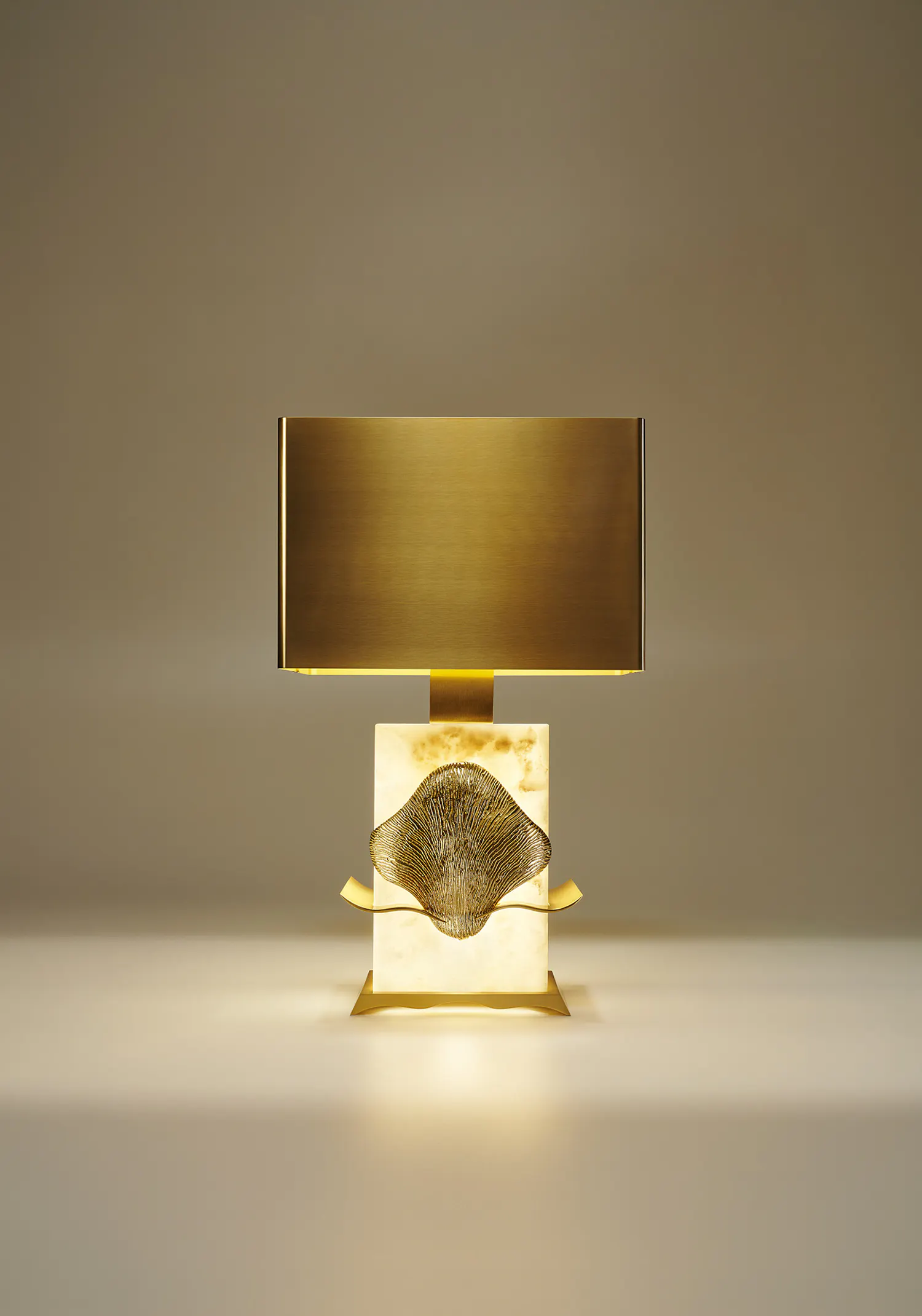
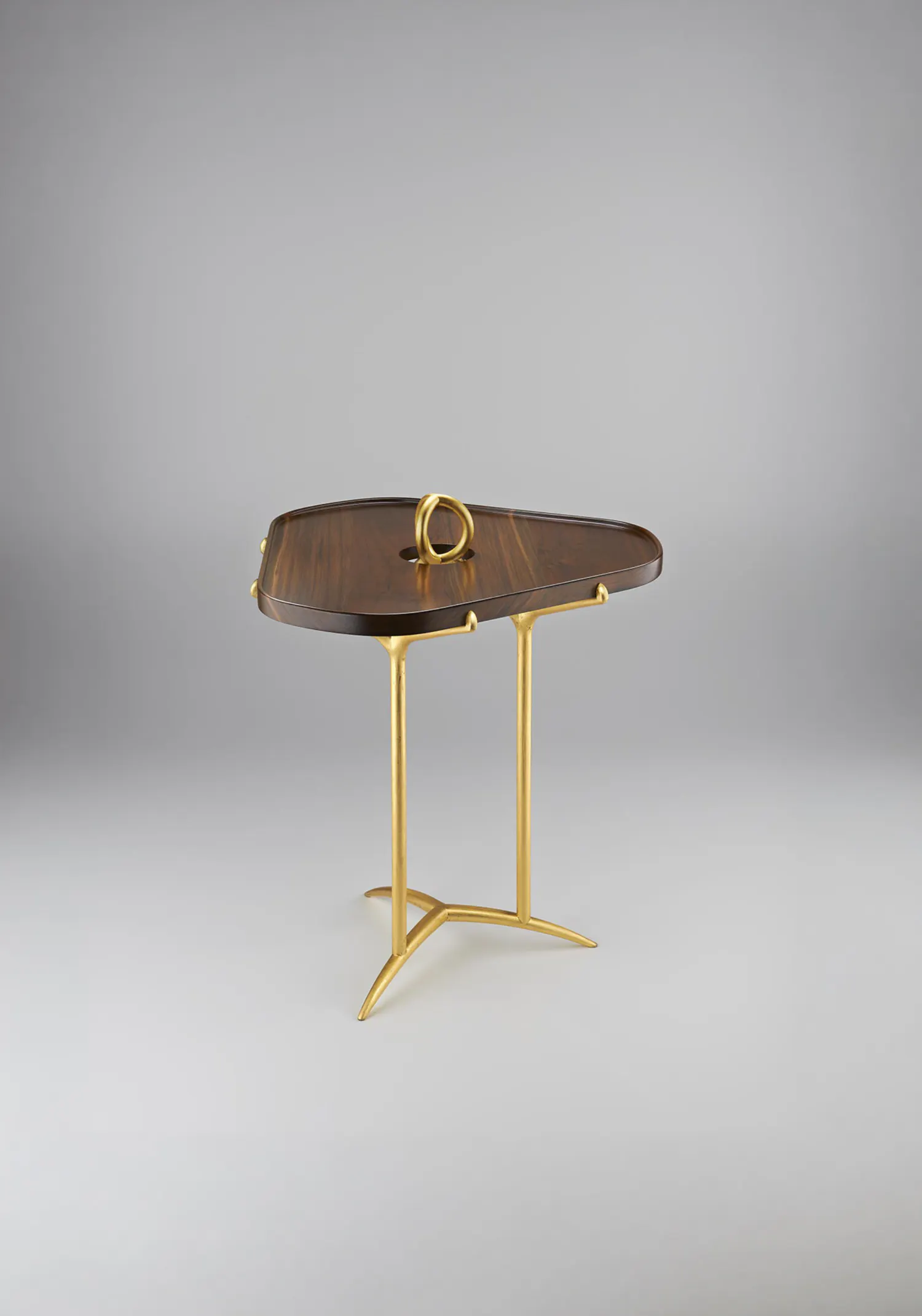
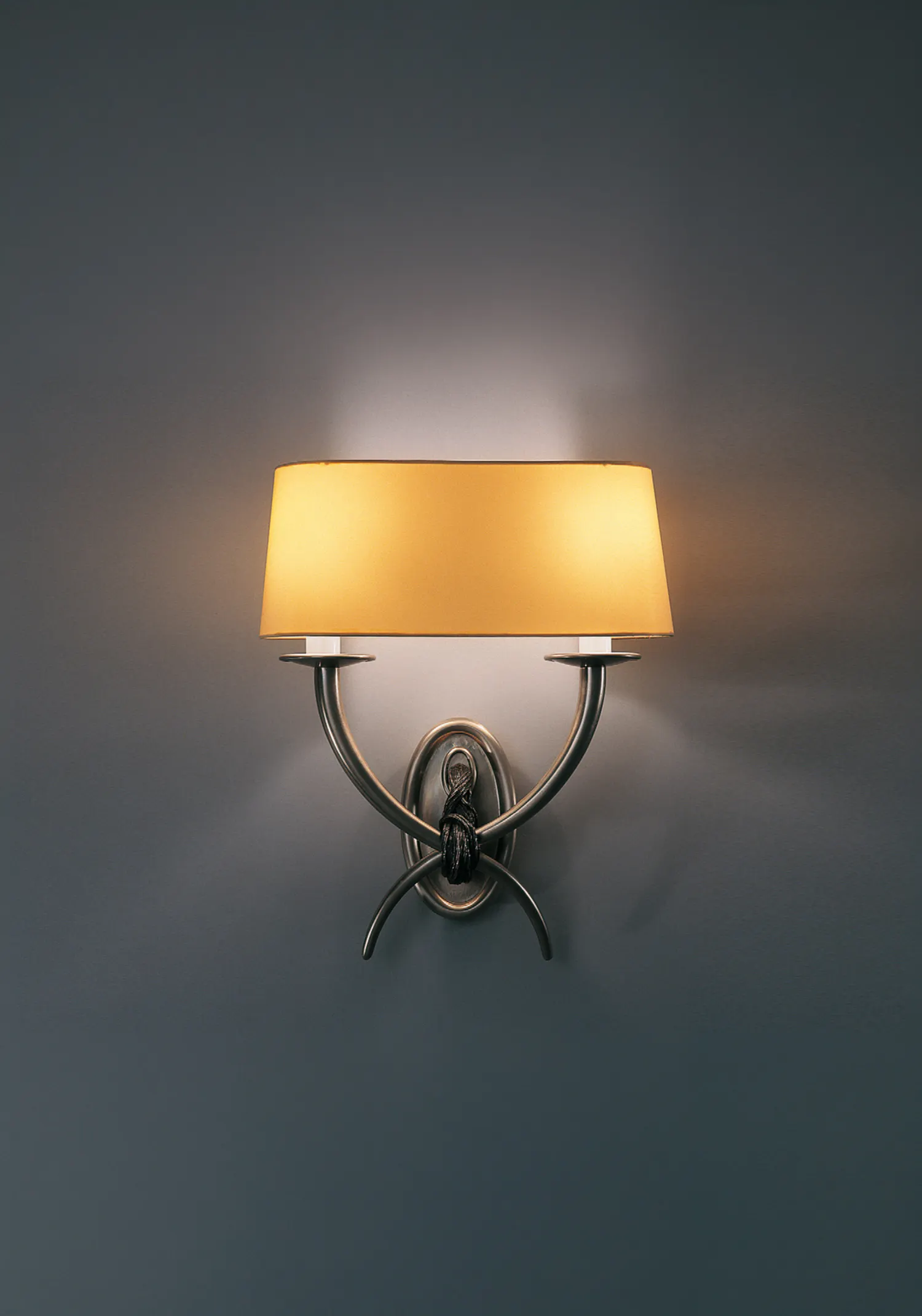
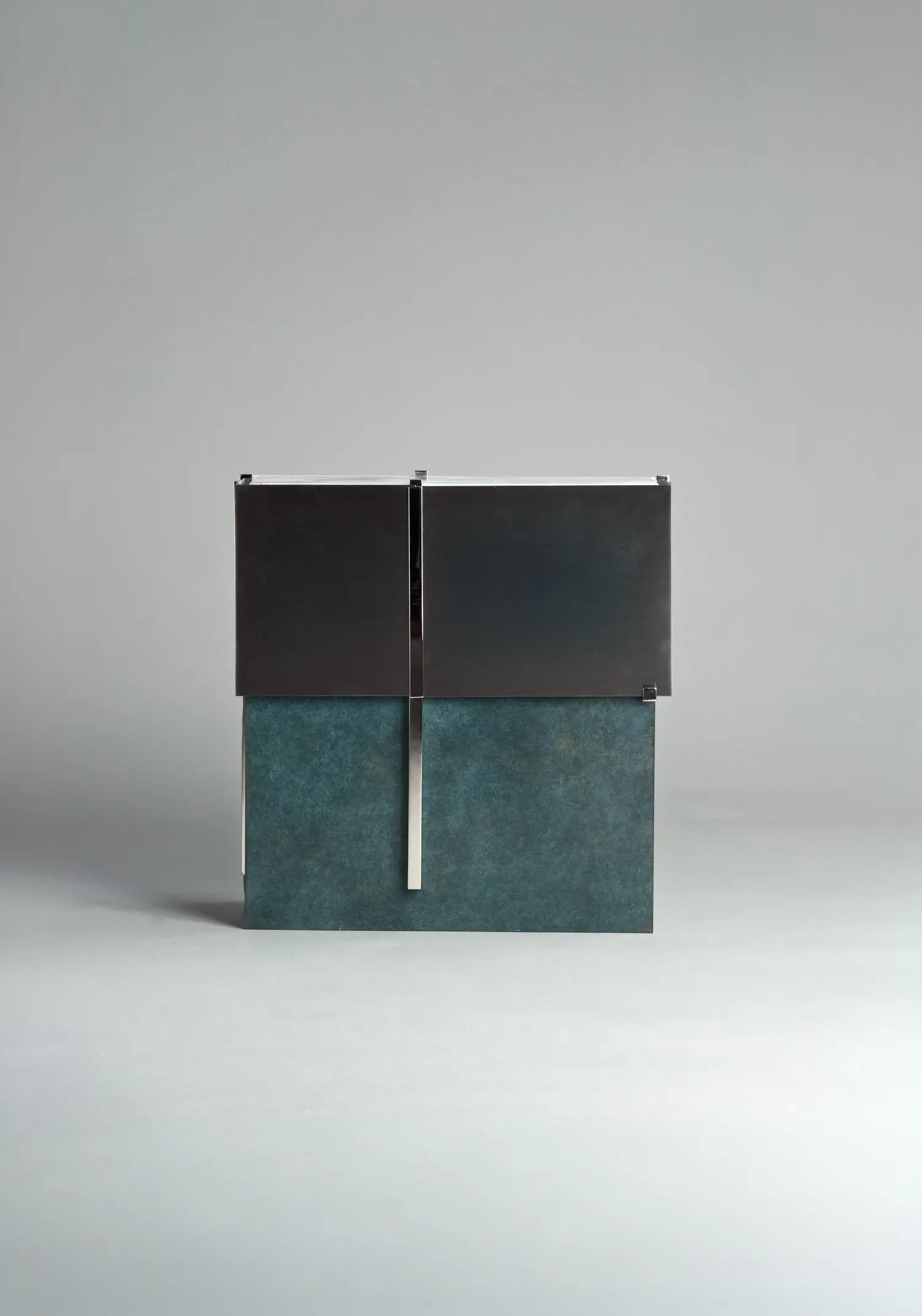
In 2006, Michael Wagner appointed Philippe Parent artistic director of the maison. He designed around thirty models including Meter, Gondor, Falbala, Edfou, Esna, Mandou, Onstage, Pandora et Phalène.
His travels, particularly in India, have nourished his work. A passion shared with Chrystiane and Laurent, India inspired several of his designs, including Sanchi, Rasa and Kuta. In his work, he brings bronze into dialogue with alabaster, marble and wood. The precision of his lines and the balance of his proportions give his lamps the presence of architectural objects.